Decoding Tung Tung Tung Sahur: Origin of the Viral AI Meme
In the ever-evolving landscape of internet culture, where trends emerge and dissipate at lightning speed, some phenomena manage to capture global attention with their unique blend of absurdity and cultural resonance. One such recent sensation is Tung Tung Tung Sahur. This peculiar phrase, coupled with its distinctive AI-generated character, has swept across social media platforms, particularly TikTok, leaving millions both amused and curious. But what exactly is Tung Tung Tung Sahur, where did it come from, and why has this anthropomorphic wooden plank become an iconic figure in the digital realm?
At its heart, Tung Tung Tung Sahur is more than just another viral meme; it's a fascinating example of how artificial intelligence can merge with deeply rooted cultural traditions to create something entirely new and, admittedly, a little bizarre. Often described as a character straight out of the "Brainrot" trend—a genre of absurd, AI-created hybrid creatures—it stands out due to its direct and undeniable ties to Indonesian cultural practices, specifically those surrounding the holy month of Ramadan.
The Curious Case of Tung Tung Tung Sahur: What Exactly Is It?
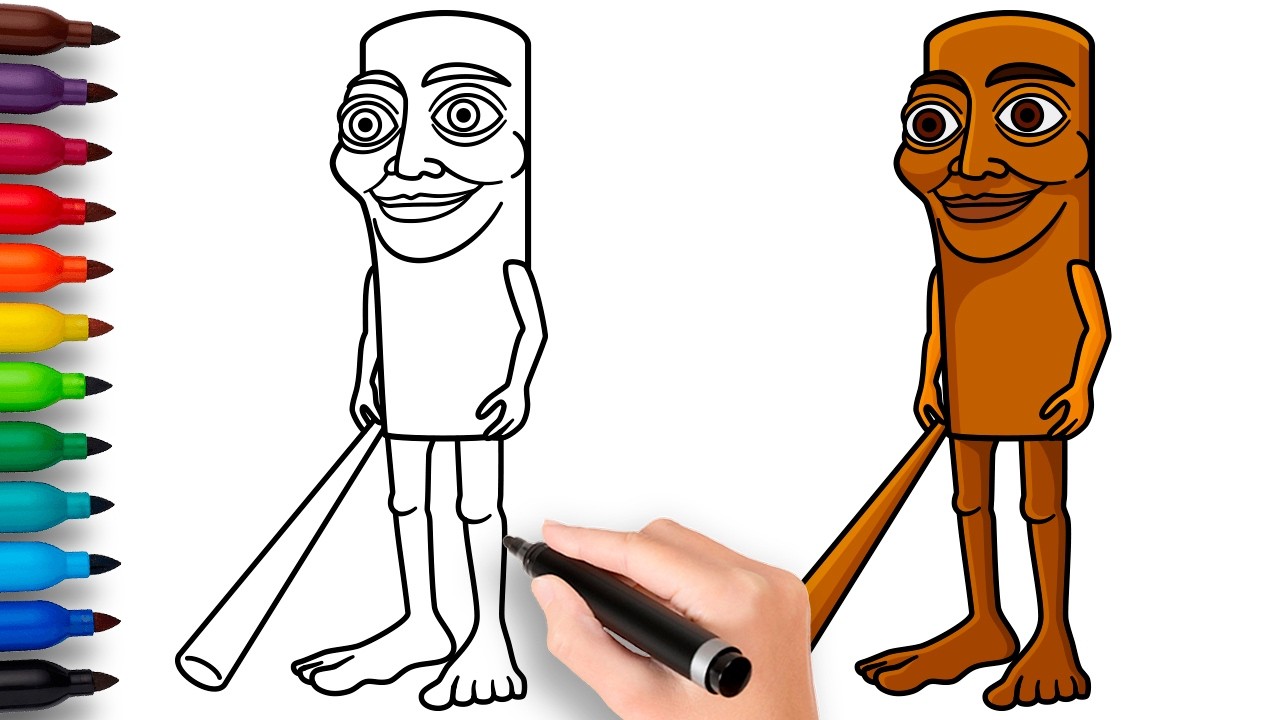
Imagine a wooden plank or a log brought to life: large, unblinking cartoon eyes fixed forward, simplistic limbs, and often wielding a baseball bat. This is the visual representation of the Tung Tung Tung Sahur character. It stars in a series of surreal, repetitive, and often horror-comedy-infused TikTok videos and cross-platform clips. Its primary role in these digital skits? A nocturnal wake-up enforcer or even a playful punisher, intrinsically linked to *sahur*—the pre-dawn meal consumed by Muslims before beginning their daily fast during Ramadan.
While sharing characteristics with the broader "Brainrot" phenomenon—a term used to describe AI-generated content that often features illogical scenarios, distorted aesthetics, and repetitive audio loops, designed to be catchy and somewhat disorienting—Tung Tung Tung Sahur differentiates itself with a clear cultural anchor. It isn't just random absurdity; it's absurdity tethered to a specific, widely understood tradition. The meme's audio, repeating the phrase "tung, tung, tung sahur," mimics the rhythmic beats of the *kentongan*, a traditional Indonesian wooden slit drum. This drum is historically and culturally used to rouse communities for *sahur*, ensuring everyone wakes up in time for their pre-fast meal. This clever fusion of modern AI-generated content with ancient custom is precisely what makes Tung Tung Tung Sahur so captivating.
The Genesis of a Global Sensation: When and How Tung Tung Tung Sahur Emerged
The journey of Tung Tung Tung Sahur into internet stardom began on a specific date: February 28, 2025. It debuted on TikTok, introduced to the world by user @noxaasht, who remains the attributed (though anonymously operating) creator. The initial video presented the wooden character repeating its now-famous phrase, directly echoing the sounds of the *kentongan* calling for *sahur*. This single post sparked a cultural wildfire, particularly within Indonesian internet communities.
Ramadan 2025 proved to be the pivotal moment for Tung Tung Tung Sahur's rise to prominence. Its association with the traditional call to *sahur* made it instantly relatable and humorous to millions of Indonesians. The meme perfectly blended the seriousness of religious tradition with a dose of surreal humor and modern electronic music. Remixes tied to existing tracks, such as "Ratatung" by Horror Skunx, and even an electronic rave version by the DJ duo W&W, further propelled its musical appeal and spread. This amalgamation showcased how effectively a niche cultural reference could be repackaged for a global, digitally-native audience.
What started as an amusing, culturally specific gag quickly transcended borders. By late March 2025, as Ramadan drew to a close, Tung Tung Tung Sahur had evolved into a full-fledged global phenomenon. Its journey from a local Indonesian AI character to an international sensation underscored the power of platforms like TikTok in amplifying content, regardless of its original niche.
Beyond the Absurd: The Cultural Significance and Evolution of the Meme
The meme's evolution highlights more than just its viral trajectory; it speaks to the fascinating interplay between local customs and global digital trends. Users worldwide began creating their own variations, depicting the wooden character in increasingly absurd scenarios, often exaggerating its role as a "wake-up enforcer" complete with bats and drums. While similar in aesthetic to other AI "brainrot" creations, Tung Tung Tung Sahur distinguished itself through its specific ties to Indonesian fasting rituals and the unique temporal context of Ramadan 2025.
The intrinsic lore behind Tung Tung Tung Sahur adds another layer of intrigue. According to early narratives shared on TikTok, this creepy, AI-generated wooden creature isn't just a friendly wake-up call. It's suggested that if someone calls for the creature three times and then fails to answer back, the character will ominously appear at their home. This element of horror-comedy, blending a lighthearted cultural practice with a touch of supernatural threat, contributed significantly to its virality and unique appeal. It provided a narrative hook that resonated with audiences, making the character both endearing and slightly menacing.
The impact of Tung Tung Tung Sahur was undeniable. It amassed millions of views across various platforms, inspiring countless fan animations, original songs, and cross-cultural adaptations. This widespread engagement sparked broader discussions about the burgeoning role of artificial intelligence in contemporary meme creation, raising questions about creativity, cultural appropriation, and the future of digital content. The meme served as a testament to AI's ability to not only generate content but to infuse it with a blend of familiarity and uncanny newness, making it highly shareable. To delve deeper into its journey, read more on From Indonesian Culture to Global TikTok: Tung Tung Sahur's Rise.
Riding the Wave: Why Tung Tung Tung Sahur Resonates and Practical Takeaways
Why did Tung Tung Tung Sahur achieve such monumental success? Several factors converged to create this viral perfect storm:
- Cultural Relevance: Its direct link to *sahur* and the *kentongan* provided an immediate point of connection for Indonesian audiences, who then introduced it to the world.
- Absurdity and Unpredictability: The AI-generated nature contributes to its surreal, illogical charm, which is a hallmark of many viral "brainrot" memes.
- Repetitive Catchiness: The "tung, tung, tung sahur" phrase is simple, memorable, and easily becomes an earworm. This repetitive nature, combined with electronic music elements, makes it highly shareable and remixable.
- Horror-Comedy Appeal: The subtle blend of a friendly cultural ritual with a slightly eerie, punisher-like figure (especially with the lore of calling it three times) makes it uniquely engaging.
- Platform Mechanics: TikTok's algorithm is designed to amplify highly engaging and shareable content, allowing memes like Tung Tung Tung Sahur to spread rapidly.
Facts about Sahur and Kentongan:
- Sahur: The pre-dawn meal eaten by Muslims before fasting from dawn until sunset during Ramadan. It's a crucial part of preparing for the day's fast.
- Kentongan: A traditional Indonesian wooden slit drum, historically used to alert communities, especially for emergencies or, as in this context, to signal the time for *sahur*. Its rhythmic "tung tung tung" sound is iconic.
The rise of Tung Tung Tung Sahur offers a compelling case study on the mechanics of modern virality. It showcases how a deep understanding of cultural nuances, when combined with cutting-edge AI generation and the amplification power of social media, can create a phenomenon that transcends language and geographical barriers. For marketers, creators, and meme enthusiasts alike, it highlights the increasing importance of authenticity, unexpected humor, and cultural integration in capturing digital attention.
Understanding memes like Tung Tung Tung Sahur isn't just about following trends; it's about observing the evolving ways we communicate, share culture, and even create new folklore in the digital age. It's a reminder that even the most nonsensical content can carry significant cultural weight and spark global conversations. For a deeper dive into the broader phenomenon, explore Tung Tung Tung Sahur Explained: The Absurd AI Brainrot Phenomenon.
In conclusion, Tung Tung Tung Sahur stands as a fascinating testament to the bizarre yet brilliant potential of AI in meme creation. Born from a blend of traditional Indonesian *sahur* rituals and the surreal aesthetic of the "Brainrot" trend, this anthropomorphic wooden plank quickly evolved from a niche TikTok post into a global internet sensation. Its repetitive chant, unique character design, and embedded cultural lore have solidified its place in digital history, reminding us that in the age of AI, the next viral hit might just be a wooden log with big eyes and a bat, ready to call you for your pre-dawn meal.