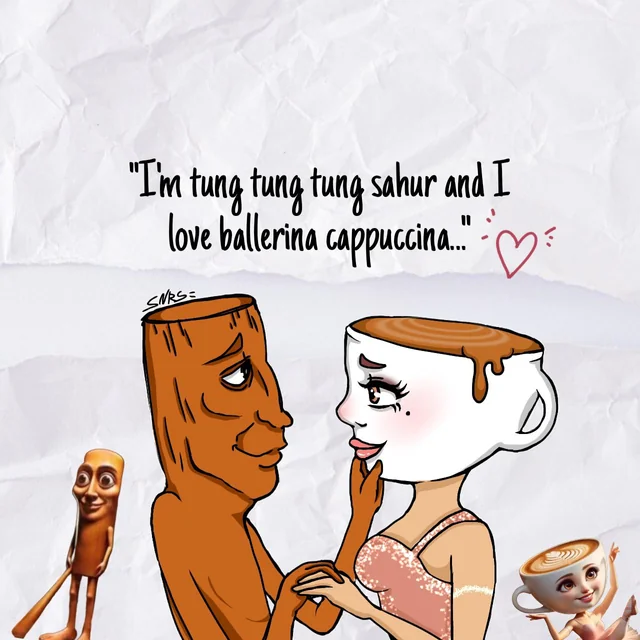
In the vibrant, ever-evolving landscape of internet culture, where trends emerge and fade with dizzying speed, a peculiar phenomenon has captured global attention: Tung Tung Tung Sahur. This AI-generated character, a seemingly simple anthropomorphic wooden plank with wide, unblinking eyes and cartoon limbs, has transcended its Indonesian origins to become a worldwide viral sensation. More than just another absurd meme, Tung Tung Tung Sahur represents a fascinating intersection of deep-rooted cultural traditions, cutting-edge artificial intelligence, and the universally appealing language of surreal humor. Its journey from a local wake-up call to a global TikTok icon offers a compelling look at how digital creativity can bridge cultural divides and redefine modern virality.
The Genesis of a Global Sensation: What is Tung Tung Tung Sahur?
The character at the heart of this phenomenon, often shortened to Tung Tung Sahur or affectionately dubbed Triple T, first appeared on TikTok in late February 2025. Created by TikTok user @noxaasht, it immediately stood out. Depicted as a log-like creature, frequently wielding a baseball bat and spouting its repetitive, rhythmic catchphrase, Tung Tung Tung Sahur quickly burrowed into the collective internet consciousness. While it shares aesthetic similarities with the "Italian Brainrot" trend – a subgenre of absurd, AI-created hybrid creatures – its essence is distinctly Indonesian.
The core concept behind Tung Tung Tung Sahur is rooted in the traditional practice of waking communities for sahur, the pre-dawn meal consumed before fasting during the holy month of Ramadan. In many parts of Indonesia, this vital wake-up call is delivered through the rhythmic beats of a kentongan, a wooden slit drum. The character’s name and its signature "tung, tung, tung sahur" phrase directly mimic these traditional drumming sounds, a poignant nod to a cherished cultural ritual. This unique blend of the bizarre and the deeply cultural is precisely what gave Tung Tung Tung Sahur its initial, explosive appeal, distinguishing it from purely nonsensical AI creations.
Its debut on February 28, 2025, marked the character's initial entry into Indonesian internet culture, quickly gaining prominence throughout Ramadan 2025. The videos feature Tung Tung Tung Sahur as a nocturnal wake-up enforcer or even a playful punisher, embodying the urgency and importance of not missing sahur. This portrayal, delivered with a mix of horror-comedy and surrealism, resonated deeply, first locally, then globally.
From Kentongan to K-Pop Stage: Cultural Resonance and Global Spread
The true genius of Tung Tung Tung Sahur lies in its seamless fusion of traditional Indonesian customs with modern digital absurdity. The kentongan, a simple yet powerful instrument, has long served as a communal alarm clock during Ramadan, fostering a sense of shared experience and responsibility. By taking this familiar sound and personifying it through an AI-generated, slightly menacing, yet oddly endearing character, @noxaasht tapped into a rich vein of cultural memory.
As the meme gained traction, its reach expanded far beyond Indonesia. By late March 2025, as Ramadan drew to a close, Tung Tung Tung Sahur had evolved into a full-fledged global phenomenon on platforms like TikTok. Users worldwide began creating their own variations, featuring the character in increasingly comedic and surreal scenarios, often exaggerating its role as a "wake-up enforcer" with bats and drums. This widespread adaptation highlighted the meme's unique ability to transcend language barriers and resonate with a global audience, even those unfamiliar with the specifics of Ramadan or the kentongan.
The meme's musical elements also played a significant role in its global spread. Remixes tied to tracks like "Ratatung" by Horror Skunx and an electronic rave version by DJ duo W&W propelled the character into new auditory realms, further cementing its place in popular culture. This blend of traditional sounds, AI visuals, and modern electronic music created a multi-sensory experience that was undeniably catchy and shareable. The phenomenon underscored how local customs, when packaged with viral absurdity and digital innovation, can become powerful ambassadors for cultural exchange in the digital age. For deeper insights into its origins, consider Decoding Tung Tung Tung Sahur: Origin of the Viral AI Meme.
Unpacking the Lore and Meaning Behind Tung Tung Tung Sahur
Like many viral sensations, Tung Tung Tung Sahur isn't just a fleeting image; it comes with a nascent, evolving lore that adds layers to its appeal. The initial video shared by @noxaasht in February 2025 provided a crucial piece of this narrative. In this foundational clip, the AI-generated wooden man, bat in hand, explains its purpose: it is a creature that emerges before Ramadan. The lore suggests a chilling twist: if someone calls for the creature three times but fails to respond, the creature will make a personal visit to their home. This narrative immediately introduces an element of horror-comedy, turning a simple wake-up call into a suspenseful, slightly absurd encounter.
This rudimentary "lore" is a common characteristic of off-the-wall memes. It provides a foundational story that users can then build upon, creating their own variations and interpretations. The ambiguity surrounding the character – is it benevolent or menacing, a helpful reminder or a surreal punisher? – allows for diverse creative outputs. Understanding this underlying "meaning" helps explain why the meme resonated so strongly, particularly within Indonesian internet culture, where the balance between tradition and playful mischief is often appreciated.
For creators and enthusiasts alike, engaging with such memes involves appreciating this blend of the known and the unknown. The character’s role as an "enforcer" for sahur, coupled with its uncanny appearance, creates a memorable persona. It’s a testament to the power of shared cultural context and the human imagination to imbue even the most absurd creations with meaning. If you're looking for more details on this absurd phenomenon, Tung Tung Tung Sahur Explained: The Absurd AI Brainrot Phenomenon offers further explanations.
AI's Pivotal Role in Shaping Modern Meme Culture
The rise of Tung Tung Tung Sahur is more than just a cultural phenomenon; it's a prime example of the increasing influence of Artificial Intelligence in shaping contemporary digital culture. The character itself is an AI-generated creation, born from algorithms capable of synthesizing surreal and unexpected visuals. This allows for an unparalleled speed and scale of content generation, pushing the boundaries of what a meme can be.
AI's contribution to meme culture is multifaceted:
- Rapid Prototyping: AI tools enable creators to quickly generate novel character designs and animations, bypassing traditional animation processes.
- Surreal Aesthetics: AI excels at creating uncanny and dreamlike imagery, perfect for the "brainrot" subgenre that thrives on absurdity. This helps memes like Tung Tung Tung Sahur stand out.
- Democratization of Creation: While the initial creator may be skilled, the proliferation of user-friendly AI tools means that more people can participate in meme creation, leading to an explosion of variations.
- Cross-Platform Adaptability: AI-generated visuals can be easily adapted for various platforms, from short-form videos on TikTok to static images on Reddit or X (formerly Twitter), ensuring wider dissemination.
For aspiring content creators, the Tung Tung Tung Sahur phenomenon offers a valuable lesson: leveraging AI can unlock new creative avenues. While the technology is powerful, the most impactful AI-generated memes are often those that, like Triple T, connect with human emotion, cultural context, or a shared sense of humor. The key is to blend AI's generative power with a deep understanding of audience and cultural narratives, ensuring that the technology enhances, rather than replaces, human creativity and connection.
The Enduring Legacy and Future of Digital Folklore
As the initial fervor surrounding Ramadan 2025 subsided, the legacy of Tung Tung Tung Sahur continued to ripple across the internet. Amassing millions of views, inspiring countless fan animations, original songs, and cross-cultural adaptations, the character has etched its place in digital folklore. Its success highlights several key aspects of modern internet culture: the power of repetition, the allure of the absurd, and the undeniable charm of a character with a clear, albeit surreal, purpose.
The meme’s unique temporal context, tied specifically to Ramadan 2025, also lends it a historical anchor, making it a cultural artifact of that specific time. Yet, its broader themes – the blending of old and new, local and global, real and imagined – ensure its continued relevance. Tung Tung Tung Sahur serves as a fascinating case study in how digital content can not only entertain but also spark discussions on the role of AI in creative processes and the dynamic interplay between technology and cultural heritage.
In conclusion, Tung Tung Tung Sahur is far more than just a viral AI meme. It is a testament to the boundless creativity of the internet, a bridge between ancient Indonesian traditions and the cutting-edge of artificial intelligence. Its journey from a rhythmic beat on a kentongan drum to a globally recognized digital icon underscores the profound ways in which culture, technology, and humor converge in the digital age, continuously redefining what it means to be 'viral' and leaving an indelible mark on our shared online experience.